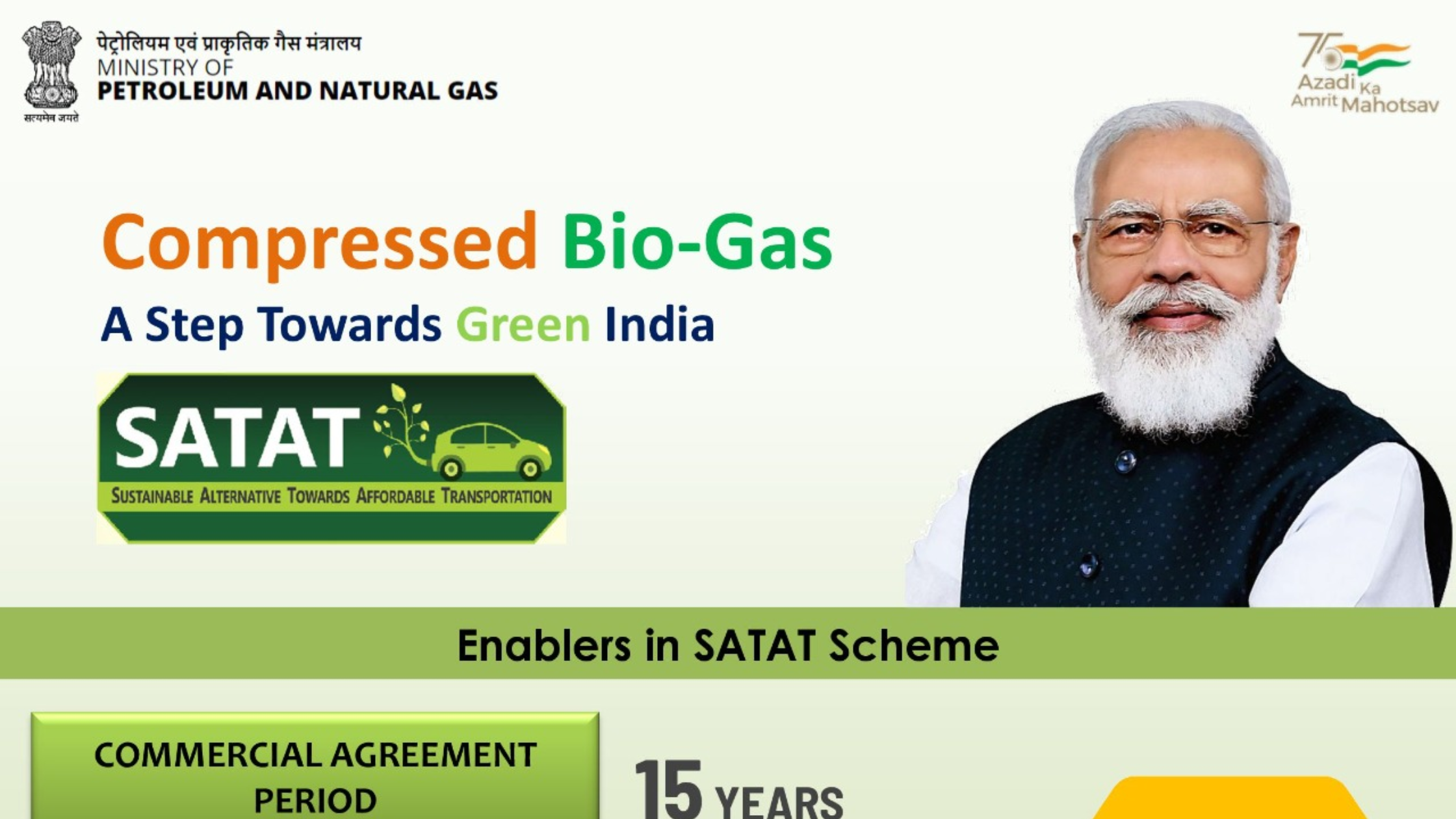
CBG - The New Disruption in Energy: A Game-Changer for Sustainable Development

In the quest for sustainable energy solutions, Compressed Biogas (CBG) has emerged as a revolutionary disruptor. CBG, derived from organic waste sources like agricultural residues, municipal solid waste, and sewage, holds immense potential to transform the energy landscape. Let’s delve into how CBG is poised to be the next big thing in sustainable development.
What is CBG?
Compressed Biogas (CBG) is a renewable, clean-burning fuel that is produced from organic waste through a process called anaerobic digestion. This process breaks down biodegradable materials such as crop residues, animal waste, and food waste, generating biogas rich in methane. The biogas is then purified and compressed to produce CBG, which is similar to conventional natural gas but with significantly lower carbon emissions.
Key Advantages of CBG
- Environmentally Friendly: CBG is a green fuel that significantly reduces greenhouse gas emissions compared to fossil fuels. It helps mitigate climate change and contributes to cleaner air quality.
- Waste Management Solution: CBG production incentivizes effective waste management practices by utilizing organic waste that would otherwise contribute to landfills and environmental pollution.
- Renewable and Sustainable: As an organic waste-based fuel, CBG is renewable and sustainable, reducing reliance on finite fossil fuel resources.
- Energy Security: CBG production enhances energy security by diversifying fuel sources and reducing dependence on imported fossil fuels.
Applications of CBG
- Transportation: CBG can be used as a fuel for vehicles, including buses, trucks, and cars, offering a cleaner alternative to diesel and petrol. It supports the transition to greener mobility solutions.
- Industrial Use: CBG can replace conventional natural gas in industrial applications such as heating, power generation, and process fuel, promoting sustainable practices in industries.
- Cooking Fuel: CBG can be utilized for cooking in households and commercial kitchens, reducing indoor air pollution and improving health outcomes.
Government Support and Initiatives
Governments worldwide are recognizing the potential of CBG and implementing supportive policies and initiatives:
- Subsidies and Incentives: Governments offer subsidies and incentives to promote CBG production and adoption, making it economically viable for producers and consumers.
- Regulatory Framework: Clear regulatory frameworks and standards ensure the quality and safety of CBG, fostering trust among stakeholders and encouraging investment.
- Infrastructure Development: Investments in CBG infrastructure, such as production plants and refueling stations, facilitate its widespread use across various sectors.
The future success of CBG as a game-changer in the energy sector hinges on collaborative efforts among key stakeholders. This involves ongoing research and innovation to improve CBG production methods and applications, alongside public awareness initiatives and educational campaigns aimed at fostering its adoption. Additionally, fostering partnerships between governments, industries, and research entities is crucial for driving investment, policy backing, and knowledge exchange in CBG development. In essence, embracing CBG signifies a significant shift towards sustainable energy solutions, offering a range of benefits across environmental, economic, and social domains, and is imperative for building a greener and more resilient future.