
Gokul

Blog

Your blog category

blog6

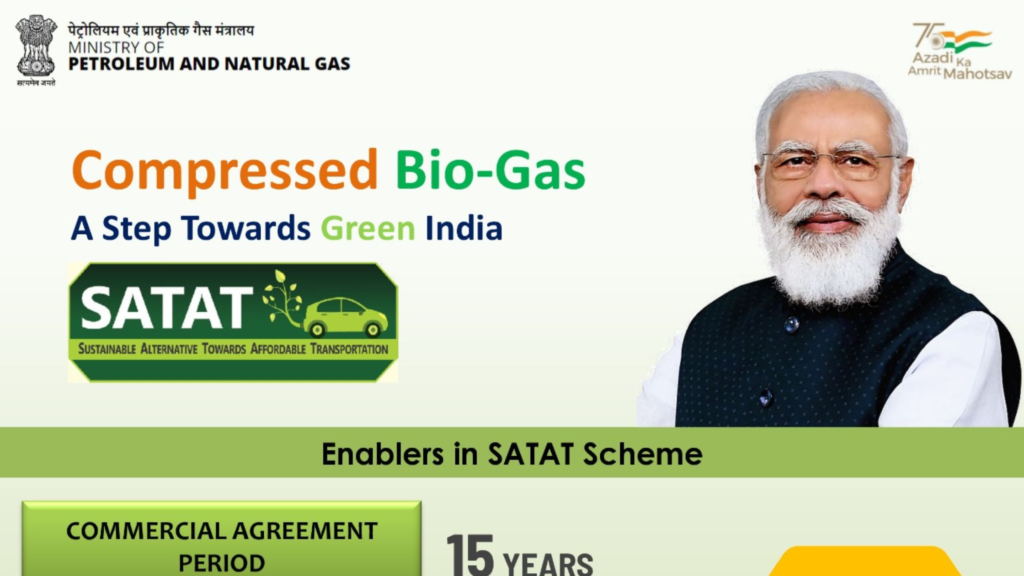
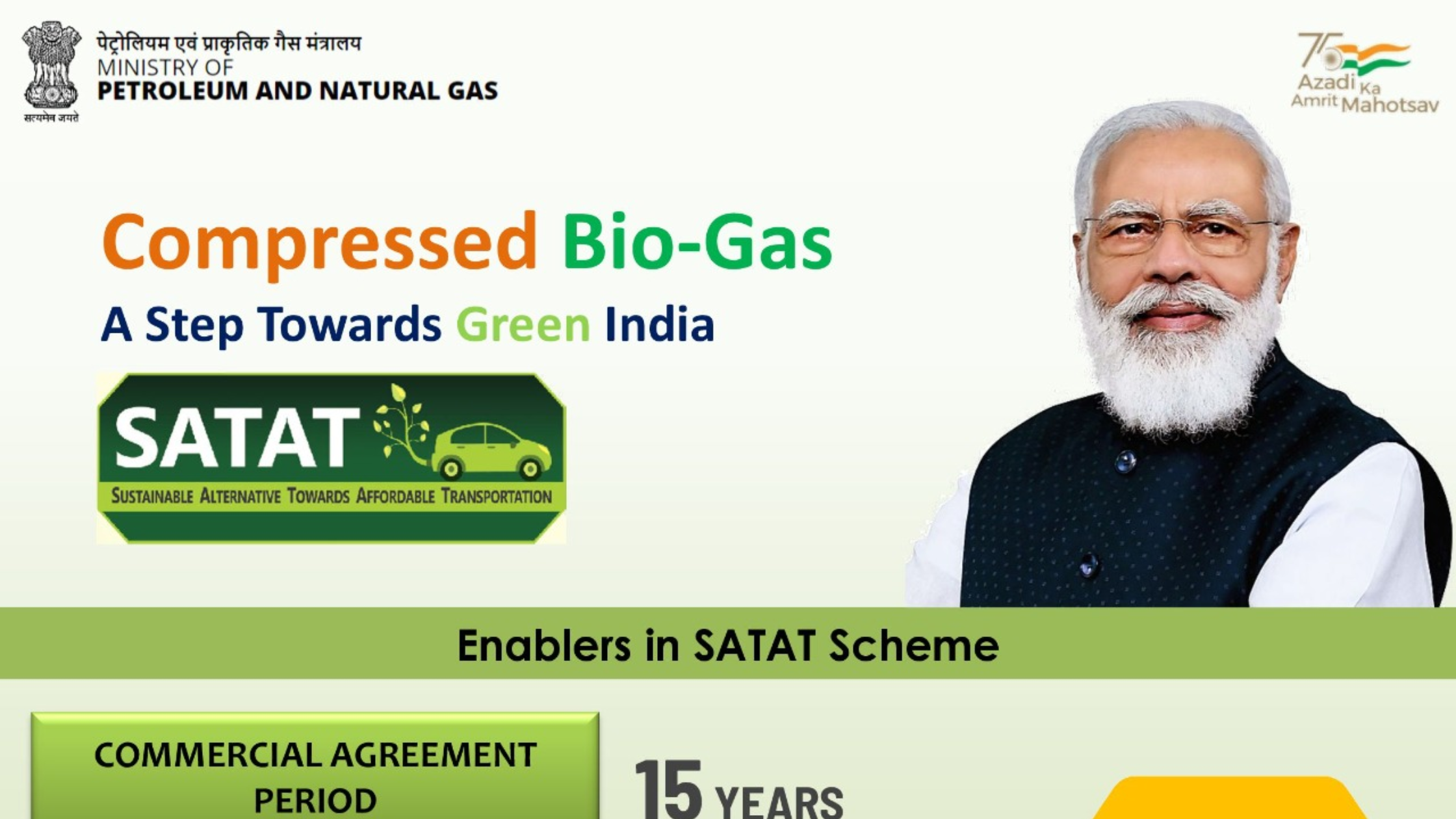
Unveiling SATAT: Empowering Sustainable Transportation Through Government Schemes and Financial Support

Home / Blog / Unveiling SATAT: Empowering Sustainable Transportation Through Government Schemes and Financial Support Unveiling SATAT: Empowering Sustainable Transportation Through Government Schemes and Financial Support The Sustainable Alternative to Affordable Transportation (SATAT) initiative is a groundbreaking effort by the Government of India to revolutionize the energy landscape, particularly in the transportation sector, through the use of Compressed Biogas (CBG). In this comprehensive guide, we delve into the intricate details of the SATAT scheme, including subsidies, the application process, key promoters, and banks facilitating loans, empowering stakeholders to embrace sustainable energy solutions. Understanding SATAT Scheme SATAT, under the Ministry of Petroleum & Natural Gas, offers substantial financial incentives to promote the establishment of CBG plants and the use of CBG as a clean and renewable fuel in transportation. The scheme focuses on converting organic waste into valuable energy resources, contributing to environmental sustainability and energy security.   Subsidies and Financial Support Subsidy Details: SATAT provides a substantial subsidy of up to 50% of the project cost for setting up CBG plants. This subsidy covers various aspects such as plant construction, equipment procurement, biogas purification systems, storage facilities, and infrastructure development. Viability Gap Funding (VGF): In addition to the subsidy, SATAT offers Viability Gap Funding (VGF) to bridge the financial gap between project costs and revenue generation, making CBG projects financially viable and attractive for investors.   Process Flow of SATAT Application Project Identification: Interested stakeholders, including entrepreneurs, organizations, and cooperatives, identify suitable locations for CBG plant establishment based on waste availability, infrastructure readiness, and market demand. Scheme Registration: Applicants register under the SATAT scheme through the designated online portal or authorized government agencies, providing detailed project proposals, feasibility studies, and financial projections. Subsidy Application: Upon registration approval, applicants submit subsidy applications specifying the project cost, proposed subsidy amount, and detailed expenditure breakdown for plant setup and operation. Subsidy Approval and Disbursement: Authorities review and approve subsidy applications based on eligibility criteria, technical feasibility, and environmental impact assessment. Approved subsidies are disbursed to beneficiaries through designated channels.   Promoters and Collaborators Ministry of Petroleum & Natural Gas: The Ministry spearheads the SATAT initiative, providing policy direction, regulatory support, and financial incentives to promote CBG adoption in transportation. Oil Marketing Companies (OMCs): Leading OMCs such as Indian Oil Corporation (IOC), Bharat Petroleum Corporation Limited (BPCL), and Hindustan Petroleum Corporation Limited (HPCL) play a pivotal role in implementing SATAT, including procurement, distribution, and retailing of CBG. Biogas Plant Developers and Operators: Private sector players, technology providers, and biogas plant developers collaborate with SATAT stakeholders to establish and operate CBG plants, ensuring efficient production, quality control, and supply chain management.   Banks Facilitating Loans for SATAT Projects Public Sector Banks (PSBs): Renowned PSBs such as State Bank of India (SBI), Punjab National Bank (PNB), Bank of Baroda (BOB), and Canara Bank offer customized loan products and financial solutions for SATAT projects, including term loans, working capital finance, and project financing. Private Sector Banks: Leading private sector banks like HDFC Bank, ICICI Bank, Axis Bank, and Kotak Mahindra Bank also extend financial support through tailored loan products, venture capital funding, and advisory services for SATAT initiatives.   Embracing Sustainable Transportation with SATAT SATAT‘s comprehensive scheme, robust financial support, and collaborative partnerships empower stakeholders to embrace sustainable transportation solutions powered by CBG. By leveraging subsidies, VGF, streamlined application processes, key promoters’ support, and banking facilities, SATAT fosters a conducive environment for sustainable energy adoption, economic growth, and environmental stewardship. Embracing SATAT is not just an investment; it’s a commitment to a cleaner, greener, and more resilient future for India’s transportation sector. Share This Post Add Comment Cancel Reply Logged in as admin. Edit your profile. Log out? Required fields are marked * Message* Related Posts Unveiling SATAT: Empowering Sustainable Transportation Through Government Schemes and Financial Support GOBARdhan Online Registration Portal: Your Gateway to Sustainable Waste Management

Unveiling SATAT: Empowering Sustainable Transportation Through Government Schemes and Financial Support Read More »

blog5

GOBARdhan Online Registration Portal: Your Gateway to Sustainable Waste Management

Home / Blog / GOBARdhan Online Registration Portal: Your Gateway to Sustainable Waste Management GOBARdhan Online Registration Portal: Your Gateway to Sustainable Waste Management The GOBARdhan online registration portal offers a streamlined and user-friendly platform for individuals, communities, and organizations to participate in the transformative journey of sustainable waste management. This guide provides a step-by-step walkthrough of the online registration process, ensuring a seamless experience in harnessing the benefits of the GOBARdhan scheme.   Accessing the GOBARdhan Online Registration Portal Visit the Official Website: Access the official GOBARdhan portal through the designated website provided by the government or related authorities. Create an Account: If you’re a new user, register an account on the portal using your email address, mobile number, and other required details. Existing users can log in using their credentials. Navigate to Registration Section: Once logged in, navigate to the “Registration” or “Apply Now” section on the portal’s homepage.   Step-by-Step Registration Process Personal/Entity Information: Fill in the required details about yourself or your organization, including name, address, contact information, and type of entity (e.g., individual, farmer, self-help group). Waste Generation Details: Provide information about the type and quantity of organic waste generated, such as agricultural residues, animal dung, kitchen waste, and bio-waste. Land Availability: Specify the availability of land for setting up the biogas plant, including land ownership documents or permission from landowners. Technical Capacity: Indicate your technical capacity or access to technical expertise for biogas plant design, construction, operation, and maintenance. Upload Required Documents: Upload scanned copies of essential documents, including proof of identity, proof of residence, land ownership/permission, and technical specifications for the biogas plant. Review and Submit: Review the information provided, ensure accuracy and completeness, and submit your registration application through the portal.   Tracking Application Status Confirmation Email/SMS: Upon successful submission, you will receive a confirmation email or SMS acknowledging receipt of your registration application. Application Processing: Authorities will process your application and may conduct a site inspection to verify eligibility and feasibility. Approval Notification: Once approved, you will receive a notification via email or SMS, along with further instructions for implementing the biogas plant.   Tips for Successful Registration Ensure all information provided is accurate, complete, and verifiable. Keep scanned copies of required documents ready for upload during the registration process. Follow any specific guidelines or instructions provided on the portal for a smooth registration experience. Share This Post Add Comment Cancel Reply Logged in as admin. Edit your profile. Log out? Required fields are marked * Message* Related Posts GOBARdhan Online Registration Portal: Your Gateway to Sustainable Waste Management

GOBARdhan Online Registration Portal: Your Gateway to Sustainable Waste Management Read More »

blog4

Synergistic Strategies: Unleashing CBG’s Potential through Collaborative Innovation

Home / Blog / Synergistic Strategies: Unleashing CBG’s Potential through Collaborative Innovation Synergistic Strategies: Unleashing CBG’s Potential through Collaborative Innovation In the dynamic landscape of sustainable energy, Collaborative Efforts for CBG Adoption have taken on new dimensions, unveiling synergistic strategies that harness the full potential of Compressed Biogas (CBG). This blog explores cutting-edge initiatives and collaborative innovations driving CBG adoption to new heights, paving the way for a cleaner and more sustainable energy future.   Advanced Financial Mechanisms Green Bonds: Financial institutions are issuing green bonds specifically designated for CBG projects. These bonds attract environmentally conscious investors and provide long-term financing for CBG infrastructure development. Carbon Credit Trading: CBG producers can participate in carbon credit trading markets, monetizing their emissions reductions and incentivizing further investment in CBG production.   Next-Generation Technology Integration Smart Grid Integration: CBG plants are integrating with smart grids to optimize energy distribution and storage, enhancing grid stability and resilience. Blockchain for Traceability: Blockchain technology is being leveraged to trace CBG production from source to consumption, ensuring transparency and accountability in the supply chain.   Regulatory Agility and Innovation Dynamic Permitting Systems: Governments are implementing dynamic permitting systems for CBG projects, streamlining regulatory processes and accelerating project timelines. Performance-Based Incentives: Regulatory frameworks are shifting towards performance-based incentives for CBG producers, rewarding efficiency improvements and emissions reductions.   Market Expansion Strategies International Partnerships: CBG producers are forging international partnerships for technology transfer, market access, and knowledge sharing, expanding CBG’s global footprint. Vertical Integration: Collaborations between CBG producers and downstream industries (e.g., transportation, manufacturing) are fostering vertical integration and value chain optimization.   Community Engagement and Empowerment Community-Owned CBG Projects: Community-led CBG projects are empowering local communities, creating jobs, and driving economic development while promoting sustainable energy practices. Education and Training Programs: Capacity-building initiatives and vocational training programs are equipping communities with the skills and knowledge needed to participate in the CBG value chain.   Leveraging Data Analytics and AI Predictive Maintenance: CBG plants are leveraging data analytics and AI algorithms for predictive maintenance, optimizing plant performance, and minimizing downtime. Energy Optimization: AI-driven energy management systems are optimizing CBG production processes, reducing energy consumption, and maximizing efficiency.   Collaborative Research and Development Public-Private Partnerships: Collaborative R&D initiatives between governments, academia, and industry are driving innovation in CBG production technologies, process optimization, and scalability. Open Innovation Platforms: Open innovation platforms and hackathons are fostering creativity and collaboration, accelerating breakthroughs in CBG technology and application development.   Impactful Stakeholder Engagement Multi-Stakeholder Dialogues: Multi-stakeholder dialogues and forums are facilitating cross-sectoral collaboration, knowledge exchange, and collective problem-solving for CBG adoption challenges. Youth and Innovation Challenges: Youth engagement programs and innovation challenges are tapping into the creativity and ingenuity of young minds, catalyzing disruptive innovations in CBG and sustainable energy.   Shaping a Sustainable Energy Future The convergence of these synergistic strategies and collaborative innovations is shaping a transformative landscape for CBG adoption, propelling us towards a sustainable energy future. By harnessing the power of collaboration, innovation, and stakeholder engagement, CBG is poised to play a pivotal role in mitigating climate change, promoting circular economy principles, and driving inclusive and sustainable development globally. Share This Post Add Comment Cancel Reply Logged in as admin. Edit your profile. Log out? Required fields are marked * Message* Related Posts CBG – The New Disruption in Energy: A Game-Changer for Sustainable Development Powering the Growth of CBG Plants in 2024

Synergistic Strategies: Unleashing CBG’s Potential through Collaborative Innovation Read More »

blog3

Paving the Way for Zero Carbon Emissions: The Role of CBG in Sustainable Transition

Home / Blog / Paving the Way for Zero Carbon Emissions: The Role of CBG in Sustainable Transition Paving the Way for Zero Carbon Emissions: The Role of CBG in Sustainable Transition In the quest for a greener and sustainable future, the transition to zero carbon emissions is a paramount goal. Compressed Biogas (CBG) is emerging as a crucial player in this transition, offering a viable pathway towards reducing carbon footprints and mitigating climate change. Let’s explore how CBG is aiding in the journey towards zero carbon emissions.   Understanding CBG and Its Environmental Impact Compressed Biogas (CBG) is a renewable energy source derived from organic waste through anaerobic digestion. Unlike fossil fuels, CBG production and utilization result in minimal net carbon emissions, making it a sustainable and eco-friendly alternative. By harnessing waste materials such as agricultural residues, food waste, and sewage, CBG not only provides a renewable energy source but also helps in waste management and reduces greenhouse gas emissions.   The Role of CBG in Transitioning to Zero Carbon Emissions Carbon Neutrality: CBG has the potential to achieve carbon neutrality or even carbon negativity when produced from organic waste sources. This means that the carbon emissions released during CBG combustion are offset by the carbon sequestration and recycling processes involved in waste digestion, leading to a net-zero or negative carbon footprint. Clean Energy Transition: CBG serves as a bridge to cleaner energy sources by replacing fossil fuels in various sectors such as transportation, industry, and households. Its use results in lower emissions of pollutants like sulfur oxides, nitrogen oxides, and particulate matter, improving air quality and public health. Waste Reduction and Circular Economy: CBG production encourages the efficient utilization of organic waste materials that would otherwise contribute to landfills and methane emissions. By converting waste into a valuable energy resource, CBG promotes a circular economy approach, where resources are reused, recycled, and repurposed to minimize waste generation.   Advantages of CBG in Zero Carbon Transition Renewable and Sustainable: CBG is derived from renewable organic sources, ensuring a continuous and sustainable supply of energy. This reduces reliance on finite fossil fuel reserves and supports long-term energy security. Versatility and Compatibility: CBG can be used as a direct substitute for natural gas in existing infrastructure, including vehicles, heating systems, power generation, and industrial processes. This seamless integration makes CBG adoption more feasible and scalable across diverse sectors. Economic Opportunities: The growth of CBG production creates economic opportunities through job creation, investment in green technologies, and development of CBG supply chains. It stimulates local economies and contributes to the growth of a green energy sector.   Collaborative Efforts for CBG Adoption Achieving zero carbon emissions with CBG requires collaborative efforts and supportive initiatives: Government Policies: Enabling policies, incentives, and regulatory frameworks that promote CBG production, investment, and market development. Industry Partnerships: Collaboration between CBG producers, technology providers, industries, and consumers to drive innovation, research, and market uptake of CBG. Public Awareness: Educating and engaging the public, businesses, and communities on the benefits of CBG, fostering consumer demand and support for sustainable energy solutions.   CBG as a Catalyst for Zero Carbon Future As the world accelerates its efforts towards zero carbon emissions, CBG stands out as a catalyst for sustainable transition. Its ability to reduce greenhouse gas emissions, promote waste management, and provide clean energy solutions makes CBG a cornerstone in achieving environmental sustainability and combating climate change. In conclusion, the transition to zero carbon emissions is a collective endeavor, and CBG plays a pivotal role in this transformative journey. By embracing CBG as a sustainable energy solution and fostering collaboration and innovation, we can pave the way towards a cleaner, greener, and zero-carbon future for generations to come. Share This Post Add Comment Cancel Reply Logged in as admin. Edit your profile. Log out? Required fields are marked * Message* Related Posts Paving the Way for Zero Carbon Emissions: The Role of CBG in Sustainable Transition Powering the Growth of CBG Plants in 2024

Paving the Way for Zero Carbon Emissions: The Role of CBG in Sustainable Transition Read More »

blog 2

Powering the Growth of CBG Plants in 2024

Home / Blog / Powering the Growth of CBG Plants in 2024 Powering the Growth of CBG Plants in 2024 In 2024, the landscape for Compressed Biogas (CBG) is vibrant with new schemes and initiatives that are propelling the growth of CBG plants across the globe. These initiatives encompass a range of programs, supports, and incentives aimed at fostering the establishment and expansion of CBG projects.    Financial Assistance Programs Grants and Subsidies: Governments and environmental agencies are offering grants and subsidies to offset the initial capital costs of setting up CBG plants. These financial incentives can cover a significant portion of the investment required, making CBG projects financially feasible for investors. Low-Interest Loans: Financial institutions are providing low-interest loans specifically tailored for CBG plant development. These loans come with favorable repayment terms and conditions, encouraging entrepreneurs and businesses to invest in CBG infrastructure. Tax Benefits: Tax incentives such as exemptions, rebates, and credits are being introduced to promote CBG production. These benefits reduce the overall cost of operation and improve the return on investment for CBG plant operators.   Policy Support and Regulatory Framework Clear Guidelines: Governments are issuing clear guidelines and regulations for CBG plant establishment and operation. These guidelines cover aspects such as feedstock sourcing, production processes, safety standards, and environmental compliance, providing a roadmap for CBG project developers. Streamlined Approval Processes: Simplified approval processes and faster permit issuance are being implemented to expedite the setup of CBG plants. This reduces bureaucratic hurdles and delays, facilitating timely project execution. Market Incentives: Governments are introducing market incentives such as guaranteed purchase agreements and preferential tariffs for CBG producers. These incentives create a stable market environment and ensure a steady revenue stream for CBG projects.   Technology Development and Innovation Research Funding: Public and private sectors are investing in research and development (R&D) for CBG production technologies. This includes funding for innovative digester designs, gas purification systems, biogas upgrading techniques, and storage solutions, enhancing the efficiency and scalability of CBG plants. Technology Transfer Programs: Knowledge sharing and technology transfer programs are being initiated to disseminate best practices and advancements in CBG technology. This collaboration between research institutions, technology providers, and CBG stakeholders accelerates the adoption of cutting-edge solutions in the industry.   Market Promotion and Awareness Campaigns Public Awareness: Awareness campaigns, workshops, and seminars are raising public awareness about the benefits of CBG and its role in sustainable energy transition. These initiatives target consumers, businesses, policymakers, and investors, fostering a positive perception of CBG as a clean and renewable energy source. Industry Collaboration: Collaborative efforts between CBG producers, industries, transport sectors, and commercial users are expanding the market reach of CBG. Partnerships for pilot projects, demonstration plants, and supply chain integration are driving the demand for CBG and creating market opportunities.   Benefits and Impact of CBG Plant Establishment The establishment of CBG plants under these new schemes and initiatives brings forth a multitude of benefits and positive impacts: Environmental Impact: Reduction of greenhouse gas emissions, waste diversion from landfills, and improvement of air and water quality. Economic Opportunities: Job creation, local economic development, reduced energy imports, and revenue generation from CBG sales. Social Benefits: Improved waste management, renewable energy access in rural areas, and community engagement in sustainable practices.   While challenges such as feedstock availability, infrastructure development, and market penetration persist, the collective efforts through these schemes and initiatives are overcoming these hurdles. Collaborative partnerships, technological advancements, supportive policies, and market promotion are driving the widespread adoption of CBG as a key player in the sustainable energy landscape. In conclusion, the new schemes and initiatives promoting CBG plants in 2024 represent a significant stride towards a cleaner, greener, and more sustainable future. The combined efforts of governments, financial institutions, technology providers, industry players, and communities are shaping a robust ecosystem for CBG production and utilization, marking a transformative phase in the global energy transition. Share This Post Add Comment Cancel Reply Logged in as admin. Edit your profile. Log out? Required fields are marked * Message* Related Posts Powering the Growth of CBG Plants in 2024 CBG – The New Disruption in Energy: A Game-Changer for Sustainable Development

Powering the Growth of CBG Plants in 2024 Read More »

blog 1

CBG – The New Disruption in Energy: A Game-Changer for Sustainable Development

Home / Blog / CBG – The New Disruption in Energy: A Game-Changer for Sustainable Development CBG – The New Disruption in Energy: A Game-Changer for Sustainable Development In the quest for sustainable energy solutions, Compressed Biogas (CBG) has emerged as a revolutionary disruptor. CBG, derived from organic waste sources like agricultural residues, municipal solid waste, and sewage, holds immense potential to transform the energy landscape. Let’s delve into how CBG is poised to be the next big thing in sustainable development. What is CBG? Compressed Biogas (CBG) is a renewable, clean-burning fuel that is produced from organic waste through a process called anaerobic digestion. This process breaks down biodegradable materials such as crop residues, animal waste, and food waste, generating biogas rich in methane. The biogas is then purified and compressed to produce CBG, which is similar to conventional natural gas but with significantly lower carbon emissions.   Key Advantages of CBG Environmentally Friendly:   CBG is a green fuel that significantly reduces greenhouse gas emissions compared to fossil fuels. It helps mitigate climate change and contributes to cleaner air quality. Waste Management Solution:   CBG production incentivizes effective waste management practices by utilizing organic waste that would otherwise contribute to landfills and environmental pollution. Renewable and Sustainable:   As an organic waste-based fuel, CBG is renewable and sustainable, reducing reliance on finite fossil fuel resources. Energy Security:   CBG production enhances energy security by diversifying fuel sources and reducing dependence on imported fossil fuels. Applications of CBG Transportation: CBG can be used as a fuel for vehicles, including buses, trucks, and cars, offering a cleaner alternative to diesel and petrol. It supports the transition to greener mobility solutions. Industrial Use: CBG can replace conventional natural gas in industrial applications such as heating, power generation, and process fuel, promoting sustainable practices in industries. Cooking Fuel: CBG can be utilized for cooking in households and commercial kitchens, reducing indoor air pollution and improving health outcomes. Government Support and Initiatives Governments worldwide are recognizing the potential of CBG and implementing supportive policies and initiatives: Subsidies and Incentives: Governments offer subsidies and incentives to promote CBG production and adoption, making it economically viable for producers and consumers. Regulatory Framework: Clear regulatory frameworks and standards ensure the quality and safety of CBG, fostering trust among stakeholders and encouraging investment. Infrastructure Development: Investments in CBG infrastructure, such as production plants and refueling stations, facilitate its widespread use across various sectors. The future success of CBG as a game-changer in the energy sector hinges on collaborative efforts among key stakeholders. This involves ongoing research and innovation to improve CBG production methods and applications, alongside public awareness initiatives and educational campaigns aimed at fostering its adoption. Additionally, fostering partnerships between governments, industries, and research entities is crucial for driving investment, policy backing, and knowledge exchange in CBG development. In essence, embracing CBG signifies a significant shift towards sustainable energy solutions, offering a range of benefits across environmental, economic, and social domains, and is imperative for building a greener and more resilient future. Share This Post Add Comment Cancel Reply Logged in as admin. Edit your profile. Log out? Required fields are marked * Message* Related Posts Powering the Growth of CBG Plants in 2024 CBG – The New Disruption in Energy: A Game-Changer for Sustainable Development

CBG – The New Disruption in Energy: A Game-Changer for Sustainable Development Read More »

Scroll to Top