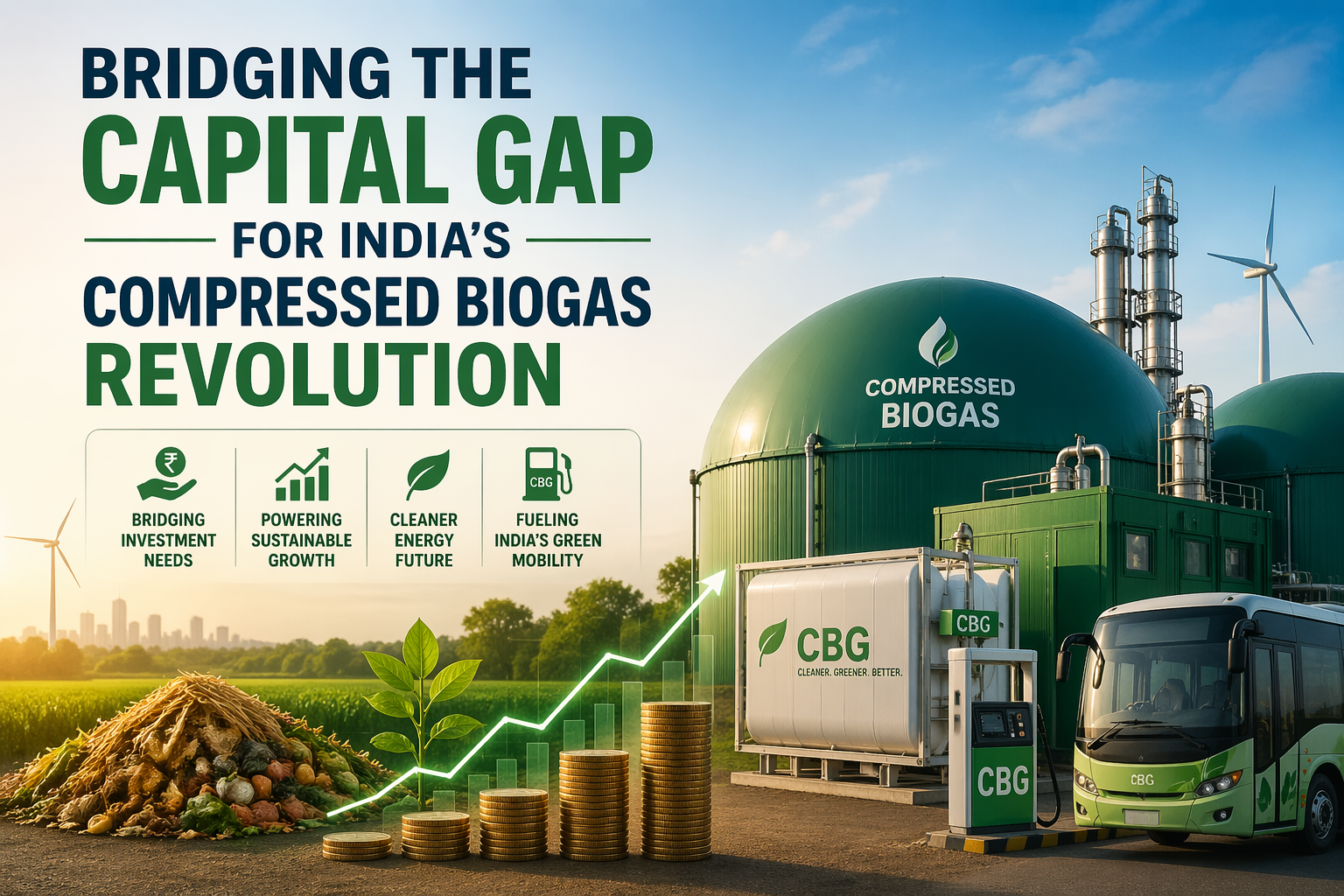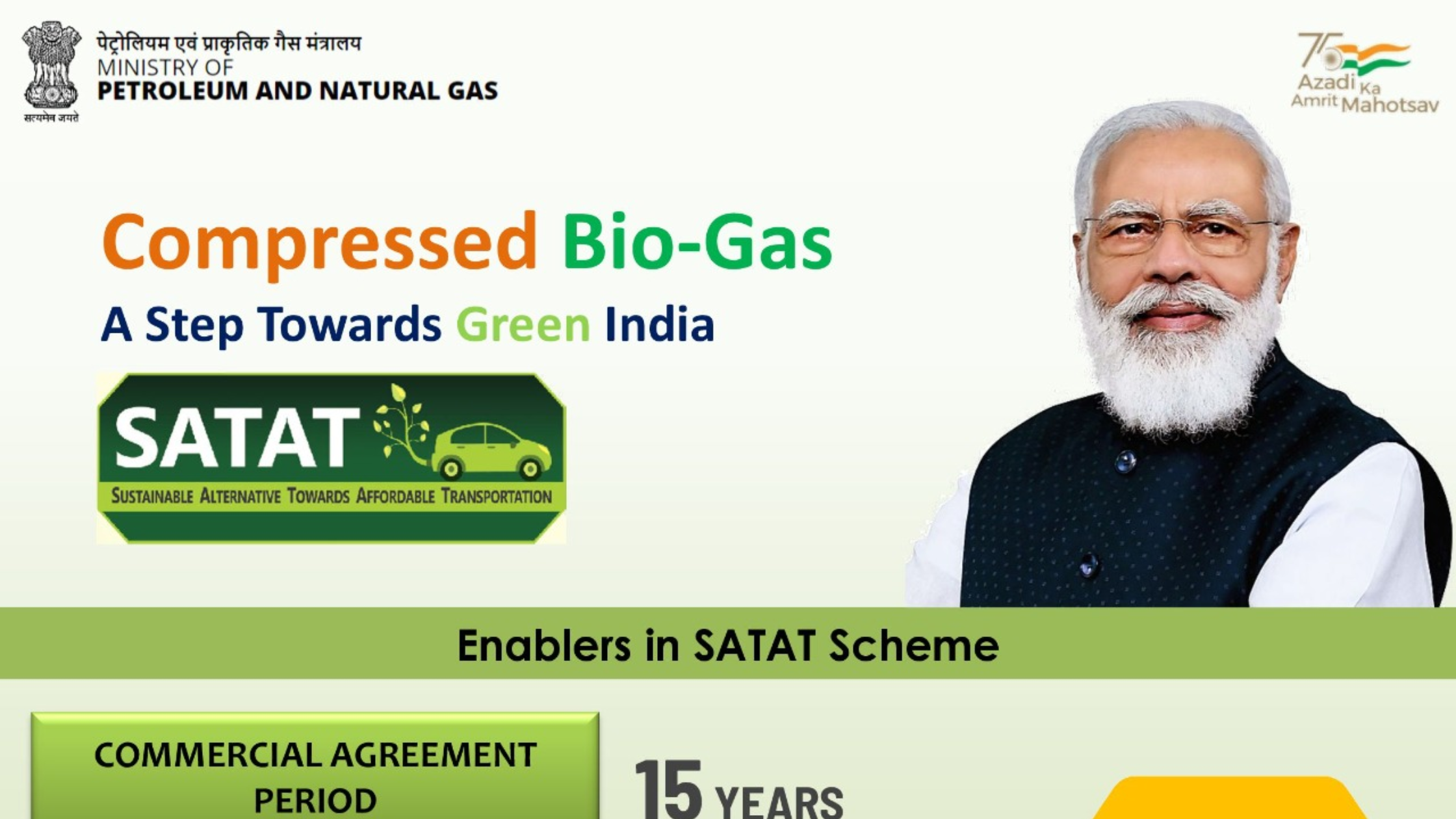
Powering the Growth of CBG Plants in 2024
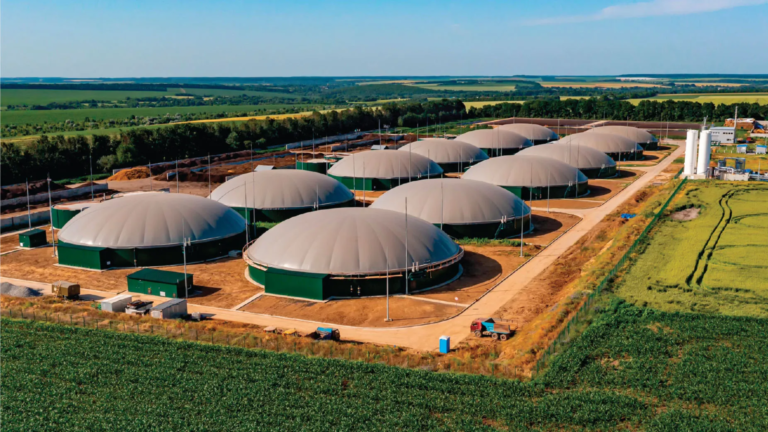
In 2024, the landscape for Compressed Biogas (CBG) is vibrant with new schemes and initiatives that are propelling the growth of CBG plants across the globe. These initiatives encompass a range of programs, supports, and incentives aimed at fostering the establishment and expansion of CBG projects.
Financial Assistance Programs
- Grants and Subsidies: Governments and environmental agencies are offering grants and subsidies to offset the initial capital costs of setting up CBG plants. These financial incentives can cover a significant portion of the investment required, making CBG projects financially feasible for investors.
- Low-Interest Loans: Financial institutions are providing low-interest loans specifically tailored for CBG plant development. These loans come with favorable repayment terms and conditions, encouraging entrepreneurs and businesses to invest in CBG infrastructure.
- Tax Benefits: Tax incentives such as exemptions, rebates, and credits are being introduced to promote CBG production. These benefits reduce the overall cost of operation and improve the return on investment for CBG plant operators.
Policy Support and Regulatory Framework
- Clear Guidelines: Governments are issuing clear guidelines and regulations for CBG plant establishment and operation. These guidelines cover aspects such as feedstock sourcing, production processes, safety standards, and environmental compliance, providing a roadmap for CBG project developers.
- Streamlined Approval Processes: Simplified approval processes and faster permit issuance are being implemented to expedite the setup of CBG plants. This reduces bureaucratic hurdles and delays, facilitating timely project execution.
- Market Incentives: Governments are introducing market incentives such as guaranteed purchase agreements and preferential tariffs for CBG producers. These incentives create a stable market environment and ensure a steady revenue stream for CBG projects.
Technology Development and Innovation
- Research Funding: Public and private sectors are investing in research and development (R&D) for CBG production technologies. This includes funding for innovative digester designs, gas purification systems, biogas upgrading techniques, and storage solutions, enhancing the efficiency and scalability of CBG plants.
- Technology Transfer Programs: Knowledge sharing and technology transfer programs are being initiated to disseminate best practices and advancements in CBG technology. This collaboration between research institutions, technology providers, and CBG stakeholders accelerates the adoption of cutting-edge solutions in the industry.
Market Promotion and Awareness Campaigns
- Public Awareness: Awareness campaigns, workshops, and seminars are raising public awareness about the benefits of CBG and its role in sustainable energy transition. These initiatives target consumers, businesses, policymakers, and investors, fostering a positive perception of CBG as a clean and renewable energy source.
- Industry Collaboration: Collaborative efforts between CBG producers, industries, transport sectors, and commercial users are expanding the market reach of CBG. Partnerships for pilot projects, demonstration plants, and supply chain integration are driving the demand for CBG and creating market opportunities.
Benefits and Impact of CBG Plant Establishment
The establishment of CBG plants under these new schemes and initiatives brings forth a multitude of benefits and positive impacts:
- Environmental Impact: Reduction of greenhouse gas emissions, waste diversion from landfills, and improvement of air and water quality.
- Economic Opportunities: Job creation, local economic development, reduced energy imports, and revenue generation from CBG sales.
- Social Benefits: Improved waste management, renewable energy access in rural areas, and community engagement in sustainable practices.
While challenges such as feedstock availability, infrastructure development, and market penetration persist, the collective efforts through these schemes and initiatives are overcoming these hurdles. Collaborative partnerships, technological advancements, supportive policies, and market promotion are driving the widespread adoption of CBG as a key player in the sustainable energy landscape.
In conclusion, the new schemes and initiatives promoting CBG plants in 2024 represent a significant stride towards a cleaner, greener, and more sustainable future. The combined efforts of governments, financial institutions, technology providers, industry players, and communities are shaping a robust ecosystem for CBG production and utilization, marking a transformative phase in the global energy transition.